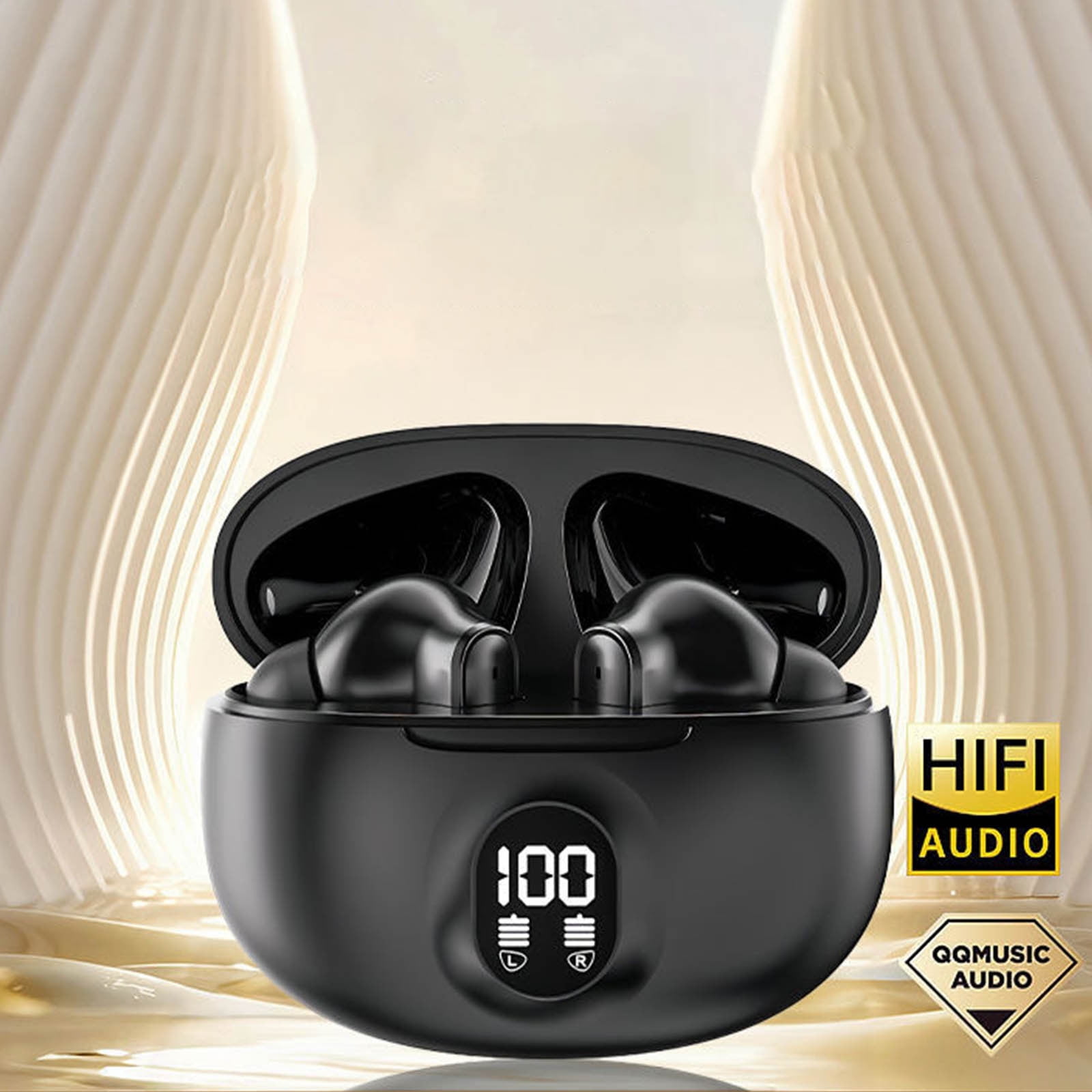
For decades, science fiction has promised us a "Universal Translator." From the Babel Fish in The Hitchhiker’s Guide to the Galaxy to the handy badges in Star Trek, the idea of understanding any language in real-time has been the ultimate dream for travelers and diplomats alike.
Today, that dream is sitting in our pockets—and our ears. AI translator earbuds (like those from Timekettle, Google, or Waverly Labs) have exploded in popularity. But how do these tiny devices manage to take a foreign language and turn it into your native tongue in a matter of seconds?
Let’s pull back the curtain on the tech behind the magic.
AI translator earbuds don’t actually "know" the language themselves. Instead, they act as the gateway for a sophisticated three-step process involving your smartphone and the cloud.
It all starts with the microphones. High-quality translator earbuds are equipped with beamforming microphones and noise-cancellation tech to isolate your voice from background chatter.
Once the earbud captures your voice, it sends the audio data via Bluetooth to an app on your smartphone. The app then uses Automatic Speech Recognition (ASR) to transcribe those sound waves into written text. This is the same technology that allows Siri or Alexa to understand you.
Once the app has the text, the real heavy lifting begins. This text is sent to a cloud-based server where a Neural Machine translation earbuds discount (NMT) engine lives.
Unlike old-school translators that swapped words one-for-one (often resulting in "word salad"), NMT uses deep learning to understand the context, intent, and grammar of a whole sentence. It analyzes the relationship between words to find the most natural-sounding translation. Major players in this space include Google Translate, Microsoft Translator, and DeepL.
Once the engine has translated the text (e.g., from Japanese to English), the result is sent back to the app. The final step is Text-to-Speech (TTS). The app generates a synthesized human voice that speaks the translated sentence directly into your earbud.
All of this—transcribing, translating, and speaking—now happens in as little as 0.5 to 2 seconds.
Most AI earbuds aren't just "always on." They offer different modes depending on the social situation:
While the tech is impressive, it’s not without its hurdles:
We are rapidly moving toward a world where language is no longer a barrier to connection. As on-device processing power increases, we will see more translation happening locally on the earbud, reducing the need for an internet connection and cutting latency to near zero.
Furthermore, we are seeing the rise of "Voice Cloning." Future earbuds won't just translate the words; they will play them back in your specific voice, retaining your tone and emotion.
AI translator earbuds are a testament to how far we’ve come in merging hardware and software. They are more than just a gadget for tourists; they are tools for empathy, allowing us to connect with people we otherwise might have walked past in silence.
Would you use translation earbuds on your next trip abroad, or do you prefer the old-fashioned way of learning the language? Let us know in the comments!